Research topic
Customer Intelligence
Customer intelligence connects real customer signals with business decisions. We explore reviews, feedback, questions, preferences, objections, language, and behavior to uncover patterns that are easy to miss.
Questions this research explores
What are customers really trying to say?
What do customers want but rarely explain directly?
Why are customers hesitant to buy?
What can reviews and feedback reveal about demand?
Research & analysis
Research on Customer Intelligence
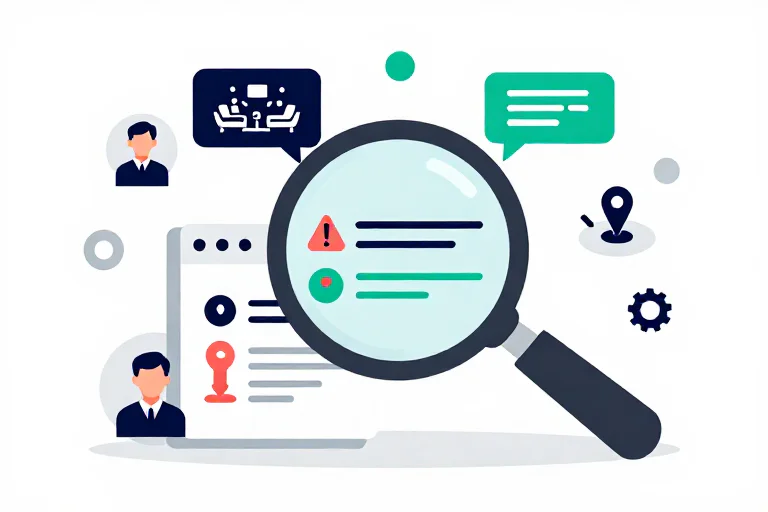
How to Find Customer Pain Points in Product Reviews
Learn a practical framework for finding real customer pain points in product reviews. Go beyond complaints to understand scenarios, root causes, and business implications with AI.
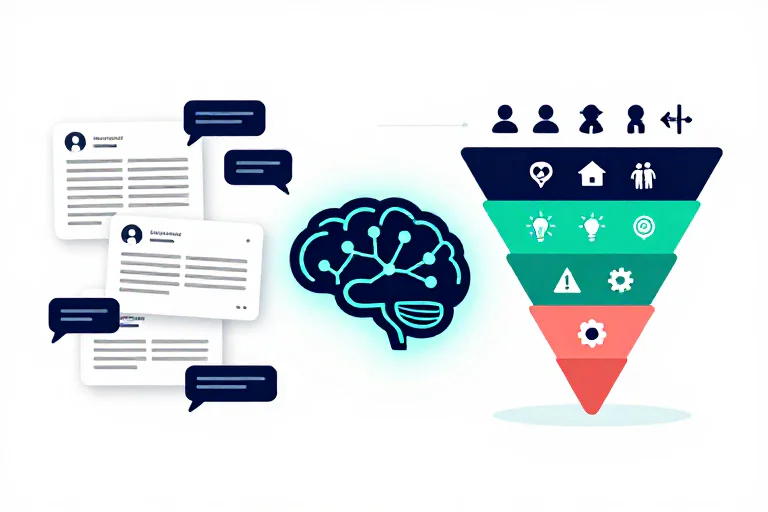
AI Customer Feedback Analysis: What to Extract and Why It Matters
Learn what to extract from customer feedback with AI—beyond sentiment. Discover a layered framework for analyzing themes, context, needs, friction, and opportunities in ecommerce.
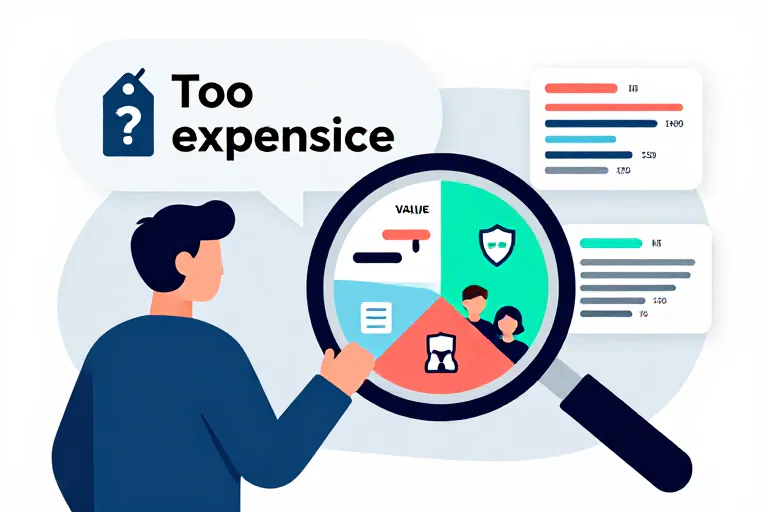
Why Do Customers Say “Too Expensive” When Price Isn't the Real Problem?
Learn why customers say “too expensive” and what it really means. Discover a practical framework for analyzing price objections through value, trust, differentiation, and customer context.
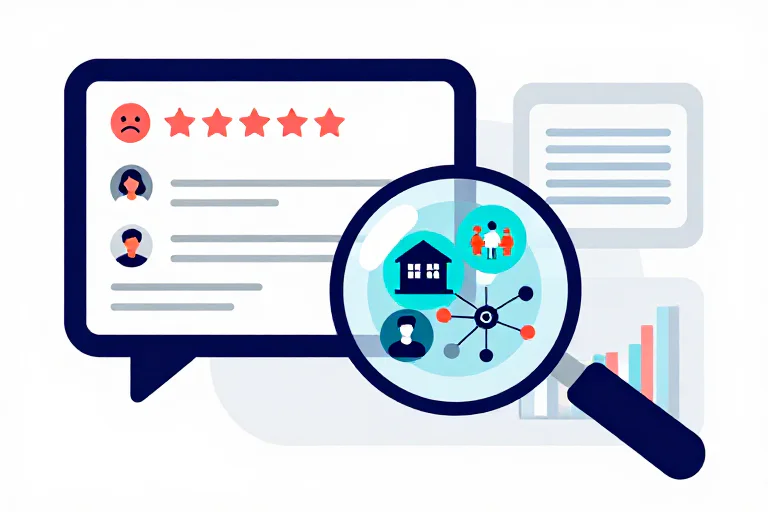
What Do Negative Reviews Really Tell You About Your Customers?
Negative reviews are signals, not diagnoses. Learn a practical framework for analyzing customer complaints, expectation gaps, and usage scenarios to uncover real business opportunities.

How to Analyze Customer Reviews With AI: A Practical Ecommerce Framework
Learn a practical AI framework for analyzing ecommerce customer reviews. Go beyond word counts to uncover customer scenarios, pain points, and business opportunities.
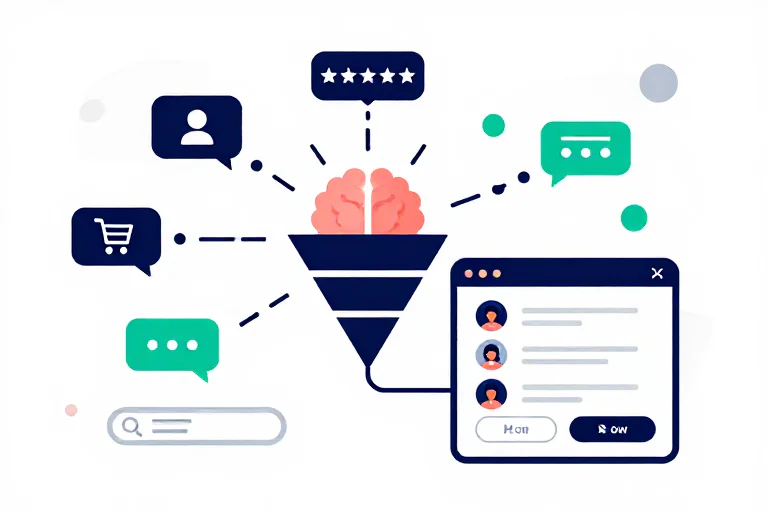
What Is Customer Intelligence? A Practical Guide for Ecommerce Teams
Learn what customer intelligence really means for ecommerce. Discover how to turn customer signals, scenarios, and context into validated business opportunities—beyond basic review summaries.
Miyeta's approach
Use AI to investigate signals, not to replace judgment.
The goal is not to produce more summaries. It is to identify patterns, form useful hypotheses, understand what the evidence may mean, and make better ecommerce decisions.